

Motor Skills
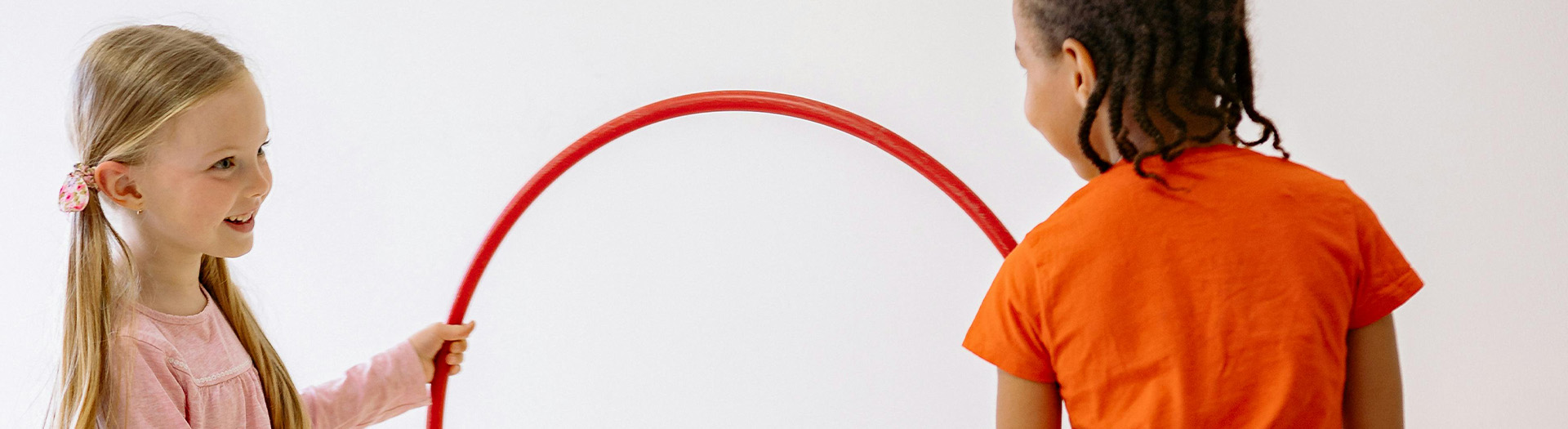
Motor skills at École Bilingue Chardin are a priority for us. Indeed, they play a crucial role in the development of children, fostering their coordination, balance, and body awareness. They enable students to improve both fine and gross motor skills, which are essential for their physical well-being and autonomy. Moreover, they contribute to managing emotions, concentration, and teamwork. Through motor activities, children boost their self-esteem and their ability to solve problems creatively. Finally, motor skills support preparation for academic learning, such as writing and reading. Students at the school engage in motor activities with teachers every day.
In TPS (Toute Petite Section)
Motor skills in TPS refer to the development of motor competencies in children aged 2 to 3, which is a key period for their physical and cognitive growth. At this age, motor activities aim to help children master their bodies, coordinate their movements, and explore their environment.
Motor activities in TPS are often playful and adapted to their development. The primary goal is to help children feel comfortable in their bodies, develop self-confidence, and lay the groundwork for future motor skills. Educators encourage these competencies through games that combine learning and fun.
In PS (Petite Section)
Motor skills in PS, for children aged 3 to 4, continue to focus on developing motor competencies, but in a more advanced and structured way compared to TPS. At this age, children are capable of performing more complex and precise movements, which allows them to enhance their coordination, balance, and spatial awareness. Children in PS begin to gain more control over their bodies, able to perform more intricate movements and handle tasks requiring greater precision. The playful and varied nature of the activities remains essential, as it helps maintain the children’s interest in motor learning while offering a secure and stimulating environment.
In MS and GS (Moyenne Section and Grande Section)
Motor skills in MS and GS, for children aged 4 to 6, evolve towards more refined and diverse motor competencies. At this stage, children further develop their coordination, autonomy in movements, and the ability to understand more complex instructions. Motor skills thus become a way to enhance their self-confidence and body expression, while also preparing the foundation for future learning, such as writing.
Children in MS continue to perfect their gross and fine motor skills, gaining better ability to participate in group activities and follow game rules.
Children in GS become increasingly autonomous and capable of performing more technical movements, often in more structured activities. It is a period when motor skills become more precise and varied.
These activities help children prepare not only for more advanced academic learning but also for greater autonomy and self-confidence.
In Elementary School
Motor skills in elementary school, for students aged 6 to 11, continue to play a fundamental role in their physical, cognitive, and social development. At this stage, children have gained better control over their bodies and can perform more complex movements, often in relation to sports activities or collective games.
Motor skills in elementary school are divided into several aspects, aiming to develop endurance, coordination, agility, and body management in space. Children learn to master technical movements within a more structured framework, while becoming more autonomous in their physical activities.
Physical activities at this age are essential for the children’s overall development. They promote not only physical well-being but also social and cognitive growth, preparing students to be autonomous and responsible in their actions.
Motor Skills
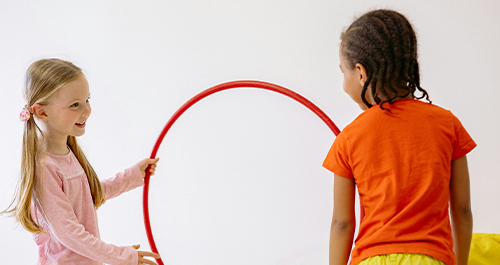
Motor skills at École Bilingue Chardin are a priority for us. Indeed, they play a crucial role in the development of children, fostering their coordination, balance, and body awareness.
read more
Baby Yoga
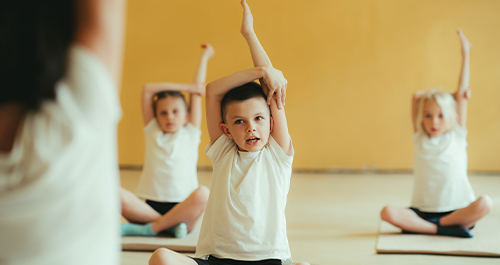
Baby yoga for TPS (Toute Petite Section) and PS (Petite Section) children is a practice that combines simple movements inspired by yoga, adapted to the abilities of young children.
read more
Dance
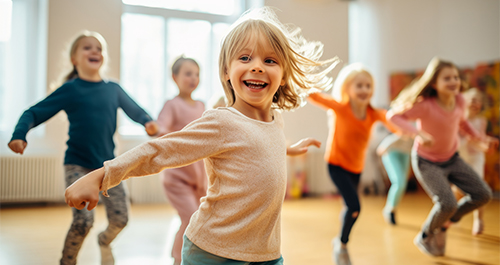
Preschool children practice dance once a week. It’s an activity that allows children aged 2 to 6 to explore their bodies, rhythm, and creativity in a playful way.
read more
Swim Class
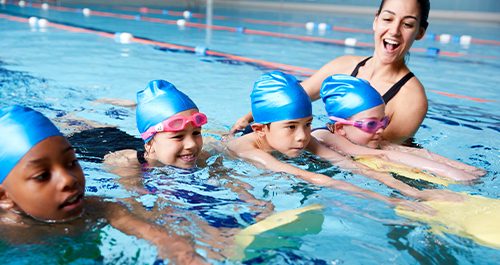
Students at École Bilingue Chardin go to the municipal swimming pool, Emile Antoine, once a week in CP/CE1 from September to March and in GS from March to June.
read more